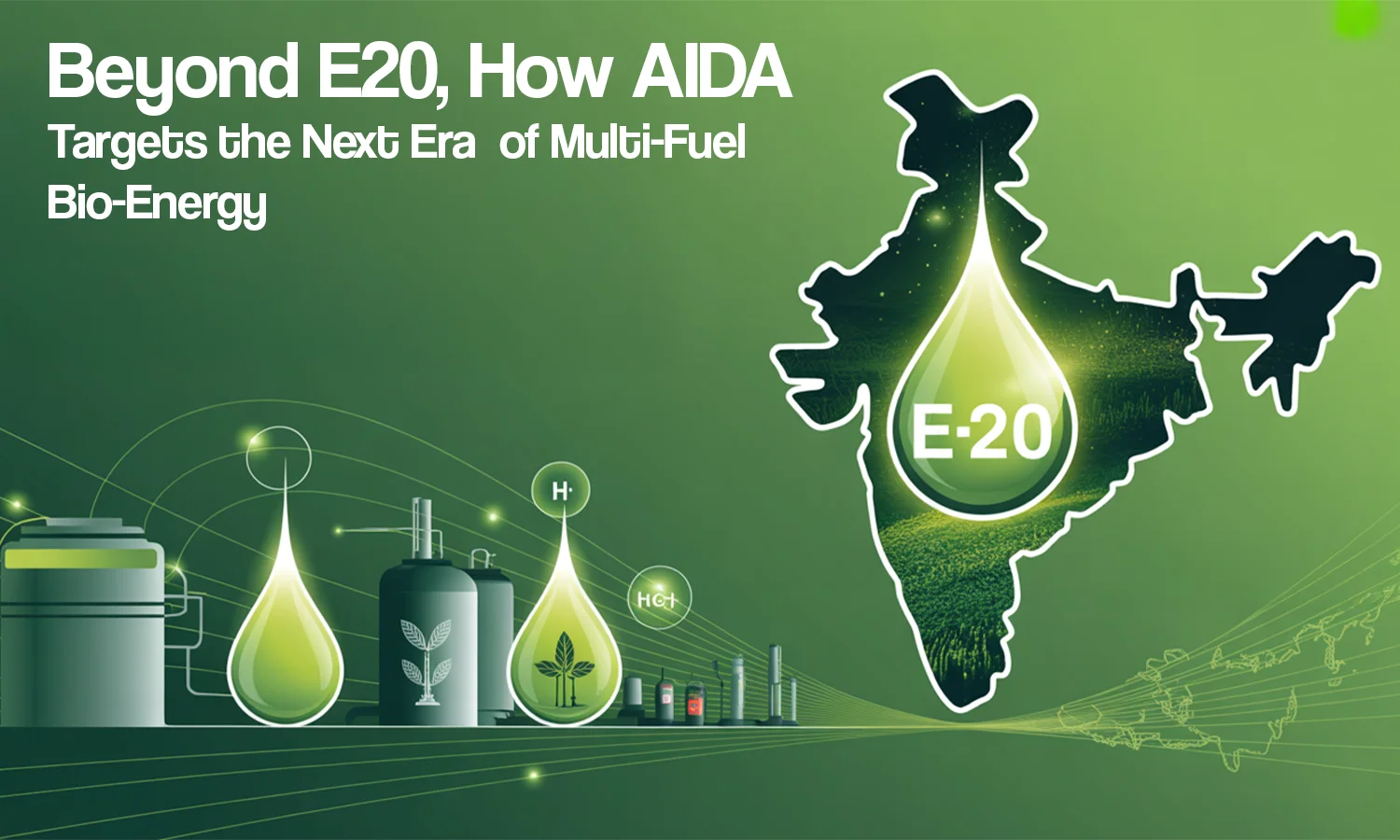
The drive toward a greener future is moving fast. While most of the talk lately has been about the amount of petrol ethanol content in our fuel, the plan for the next decade is much bigger. On 24th March 2026 at The Grand Hotel in New Delhi, the AIDA Conclave 2026 will bring industry leaders together to look past todays goals. This event is the main stage for discussing the india energy transition strategy and how distilleries fit into a world that is slowly moving away from traditional Gasoline.
One big shift is the ethanol blending target 2030. Reaching 20percentage is a great start, but the national biofuel policy india is now looking at even higher levels. The Conclave features sessions that explain how renewable ethanol works for more than just small cars. From airplanes to heavy trucks, the use for bioethanol fuel is growing. The AIDA platform is where these new supply chains are being built.
Understanding the Shift to Flex Fuel Technology
A common question people ask is what is flex fuel and how it changes the market. Unlike the usual petrol types, a vehicle using flex fuel can run on many different mixes, from 20percentage all the way to 100percentage ethanol. The Conclave will take a deep look at flex fuel technology to show how it helps with energy security. By using flex petrol, the country can stop relying so much on expensive imported oil and support local farmers instead.
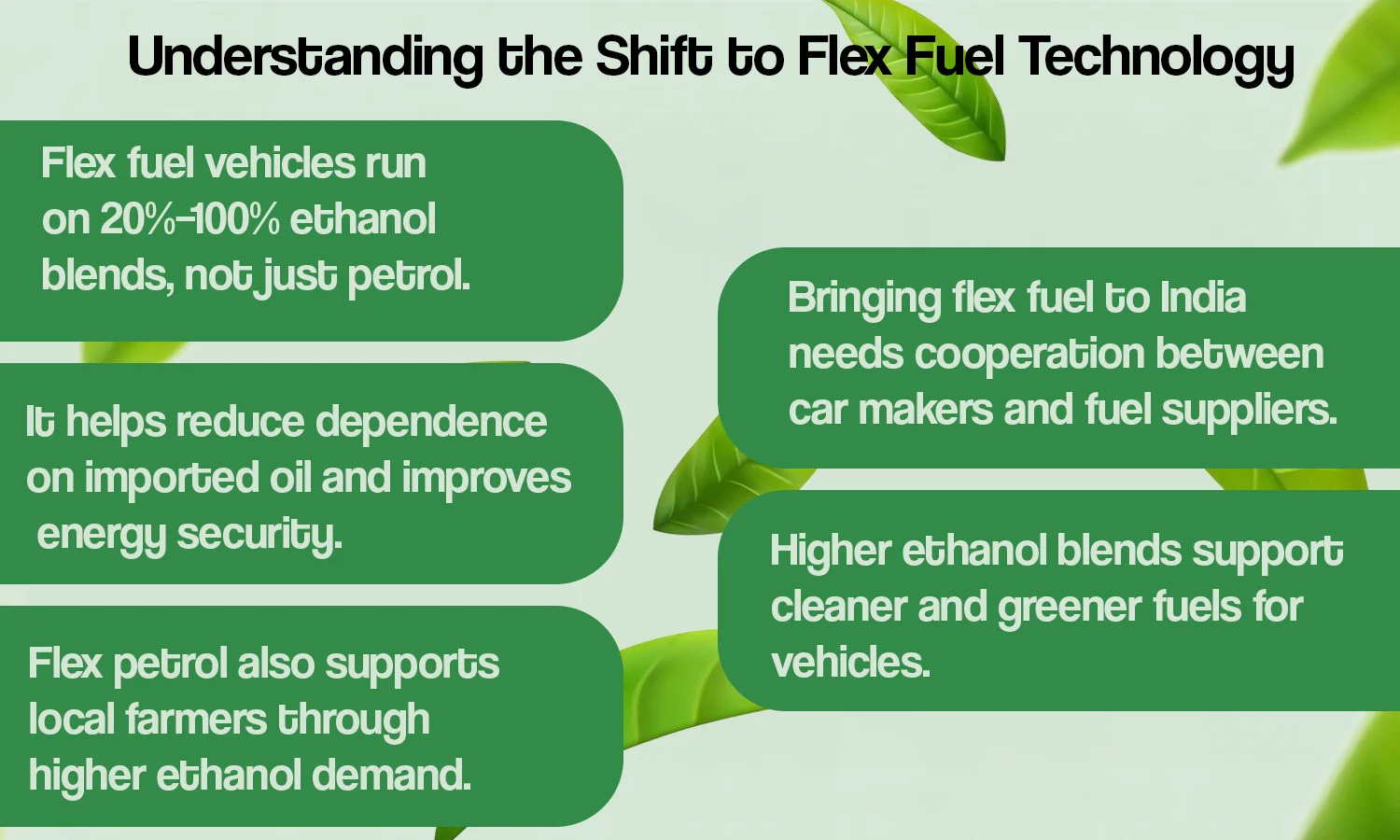
Bringing flex fuel in India to the mainstream takes a lot of work between car makers and fuel suppliers. At the Grand Ballroom, experts will talk about how high-octane petrol needs can be met with more ethanol. This change is a big part of the ethanol blending talks. It ensures the cars on the road today and tomorrow can handle these new green fuels.
Strengthening the National Biofuel Policy India
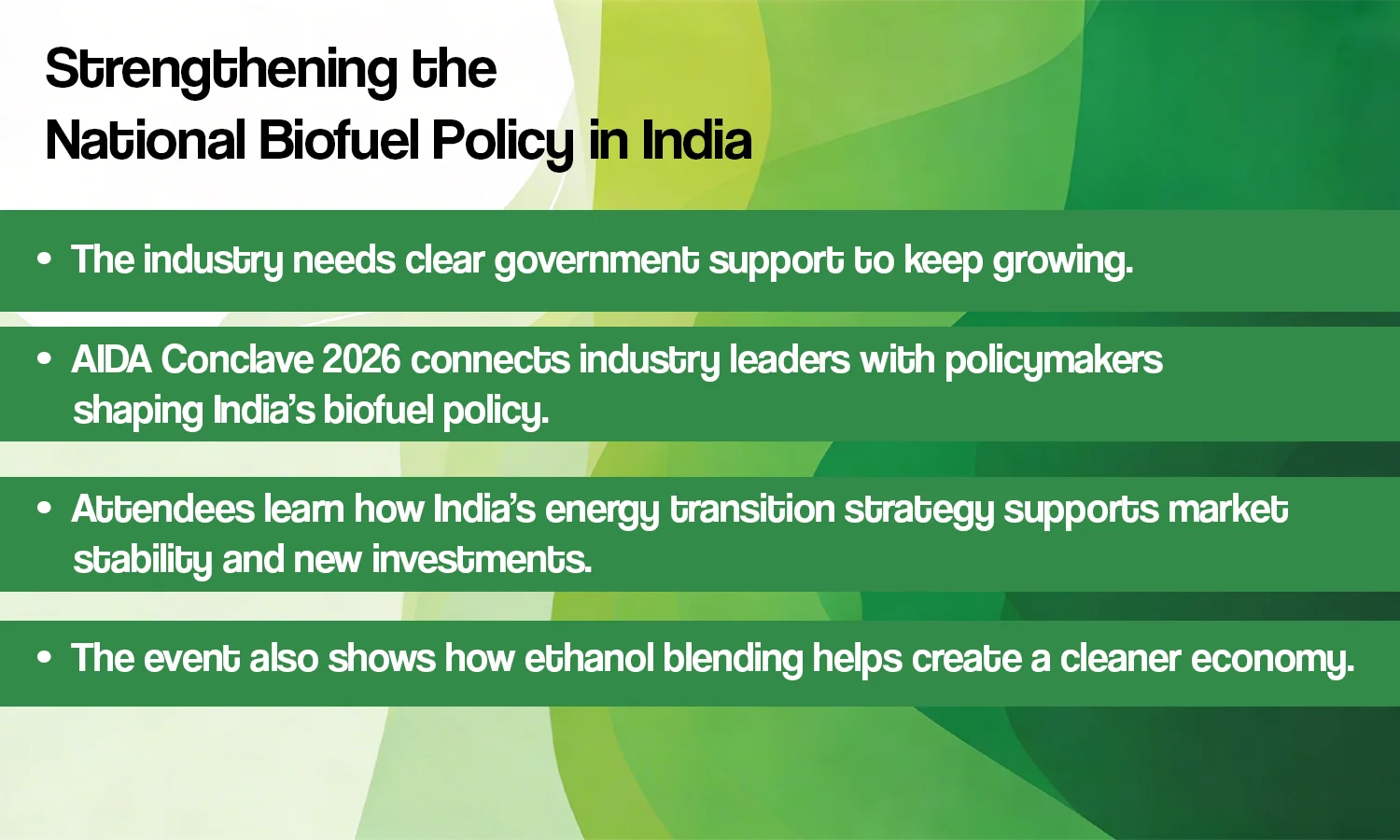
To keep this progress going, the industry needs clear signs from the government. The AIDA Conclave 2026 offers a direct line to the people who write the national biofuel policy in India. People attending will learn how the india energy transition strategy aims to keep the market steady and invite new money into production. It is a rare chance to see how ethanol blending supports a much cleaner economy for everyone.
Key Takeaways
♦ The event looks at the plan beyond the current petrol ethanol content rules.
♦ Sessions define what is needed for flex fuel in India to succeed.
♦ Leaders will discuss using bioethanol fuel to meet the 2030 goals.
♦ Networking connects tech providers with people building the next generation of plants.
Leading the Energy Transition
The AIDA Conclave 2026 is where the idea of a self-reliant India becomes real. By focusing on renewable ethanol and better flex fuel technology, the association helps the industry grow for a long time. You will get the facts needed to move from regular Gasoline to a future with many fuel options.
FAQ
What is the significance of the ethanol blending target 2030
The ethanol blending target of 2030 is a major part of the national biofuel policy of India. It sets the stage for a big increase in bioethanol fuel across the country. At the AIDA Conclave 2026, experts will talk about the buildings and pipes needed to meet these goals and how it affects the price of flex petrol.
How does flex fuel technology differ from standard engines
If you want to know what flex fuel technology is, it is a system that lets vehicles use different petrol types or ethanol mixes easily. This tech is a main part of the india energy transition strategy at the Conclave. It makes sure ethanol blending works well without hurting the car engine.
Why is renewable ethanol better than traditional Gasoline
Renewable ethanol is a cleaner choice that cuts down on pollution compared to regular Gasoline. Increasing the petrol ethanol content helps the planet and helps rural businesses. The AIDA Conclave 2026 shows these wins to explain why bioethanol fuel is the right way forward.